


More Sleep, Better Minds: How Rest Impacts Your Child’s Mental Health


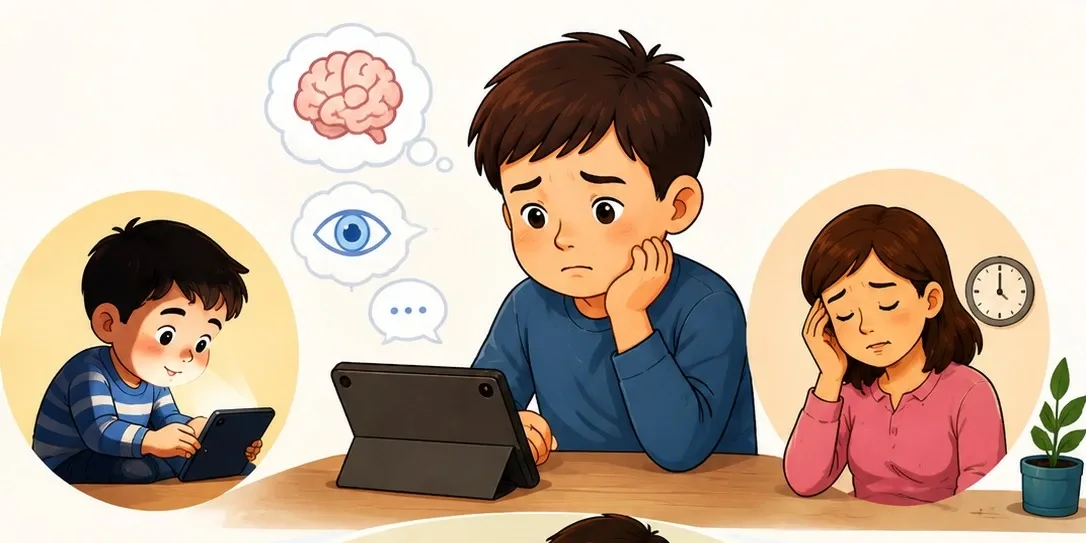
Children's academic performance, emotional control, and mental health all depend on getting enough sleep. The brain heals itself, analyses emotions, and retains memories while we sleep. Children who don't get enough sleep are more likely to experience stress, mood fluctuations, and trouble concentrating. Parents must realise that getting enough sleep is crucial for general wellbeing and is therefore just as important as doing well in school or participating in extracurricular activities. In the current digital age, one of the main things that disturbs a child's sleep is screens. The blue light released from phones, tablets, and computers blocks the creation of melatonin, the hormone that helps children fall asleep. Encourage your child to avoid screens two to three hours before bedtime in order to promote healthier sleep. Additionally, since it might disrupt the body's natural sleep cycle, caffeine from sodas and energy drinks should be avoided in the afternoon. The timing and type of food your child consumes also affects their ability to sleep well. Eating heavy meals or snacks close to bedtime can disrupt their digestion and make it harder for them to fall into deep, restorative sleep. Ideally, aim to have dinner 2-3 hours before bedtime, allowing their body to rest and focus on recovery while they sleep. This simple change can significantly improve the quality of sleep and overall health. While it’s tempting to study late into the night, sleep is critical for learning and memory retention. When kids lack sufficient sleep, their capacity to focus, learn new things, and succeed academically suffers. Good quality sleep is essential for the brain to reinforce memories and enhance cognitive abilities. It’s important for parents to emphasize a well-rounded schedule that provides enough sleep rather than late-night studying, so their children can be fully rested and prepared to excel.
From, Counsellor’s Desk.
Recent Blogs
Real cost of screen-time
Aug 27, 2026